To Katie Meakin, Head of Development Management, Wokingham Borough Council
Copied to Cllr Stephen Conway, Leader of the Council; Susan Parsonage, Chief Executive
Re Bird Place, Henley Bridge — securing the future of a nationally designated heritage asset
“This is not a letter concerning minor procedural inconvenience … a prominent listed building continues to be at risk despite the considerable efforts my team and I have made to find an acceptable way forward.”
The owner is clear about what this is, and what it is not:
This is not the work of a speculative developer stripping a heritage asset for profit. It is the work of an owner who values the property, who has committed professional resource to its restoration, and who wishes to see it properly cared for. Your department ought to be a partner to owners of this kind, not an obstacle.
And clear about the single decision at the heart of it:
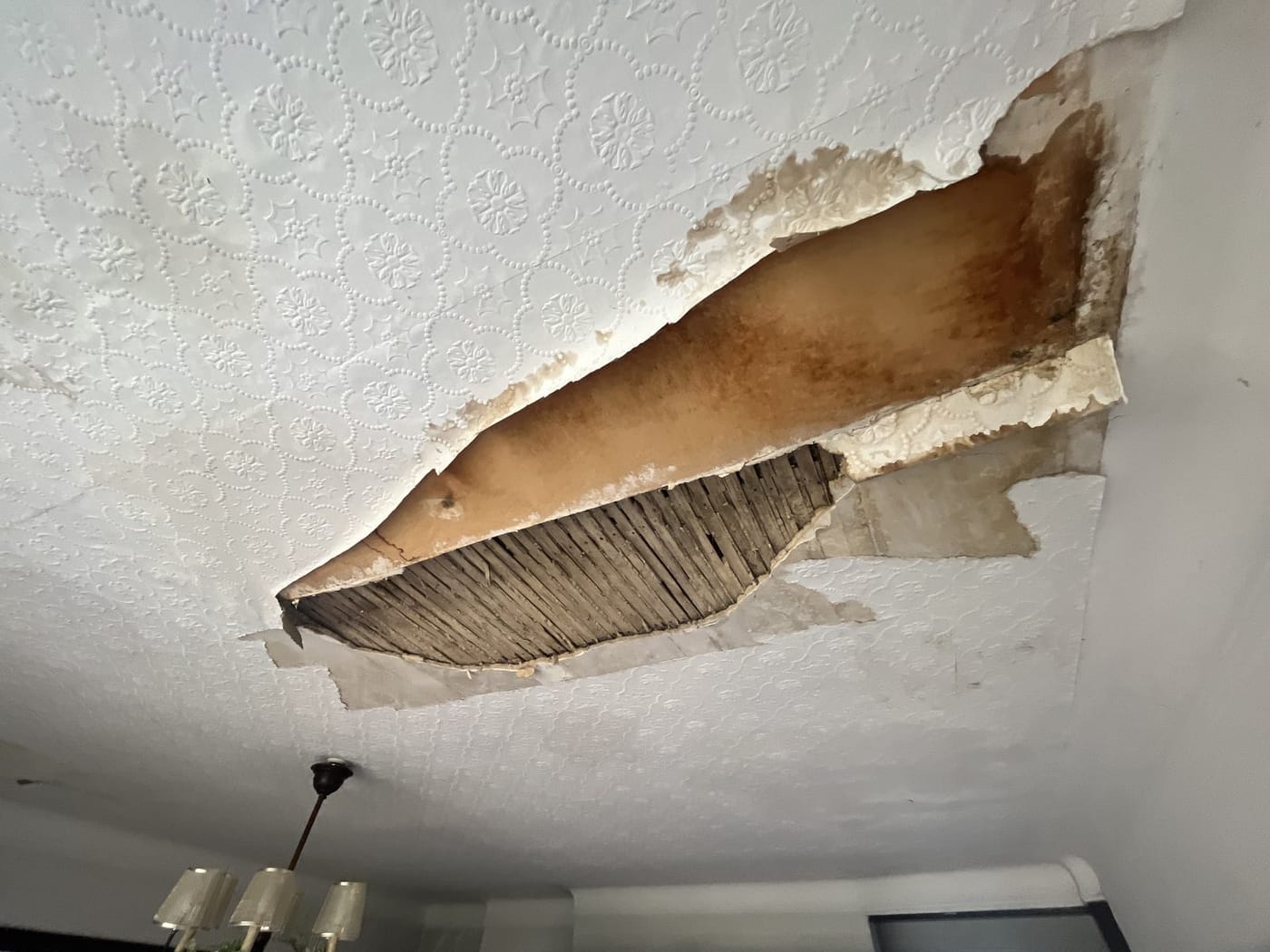
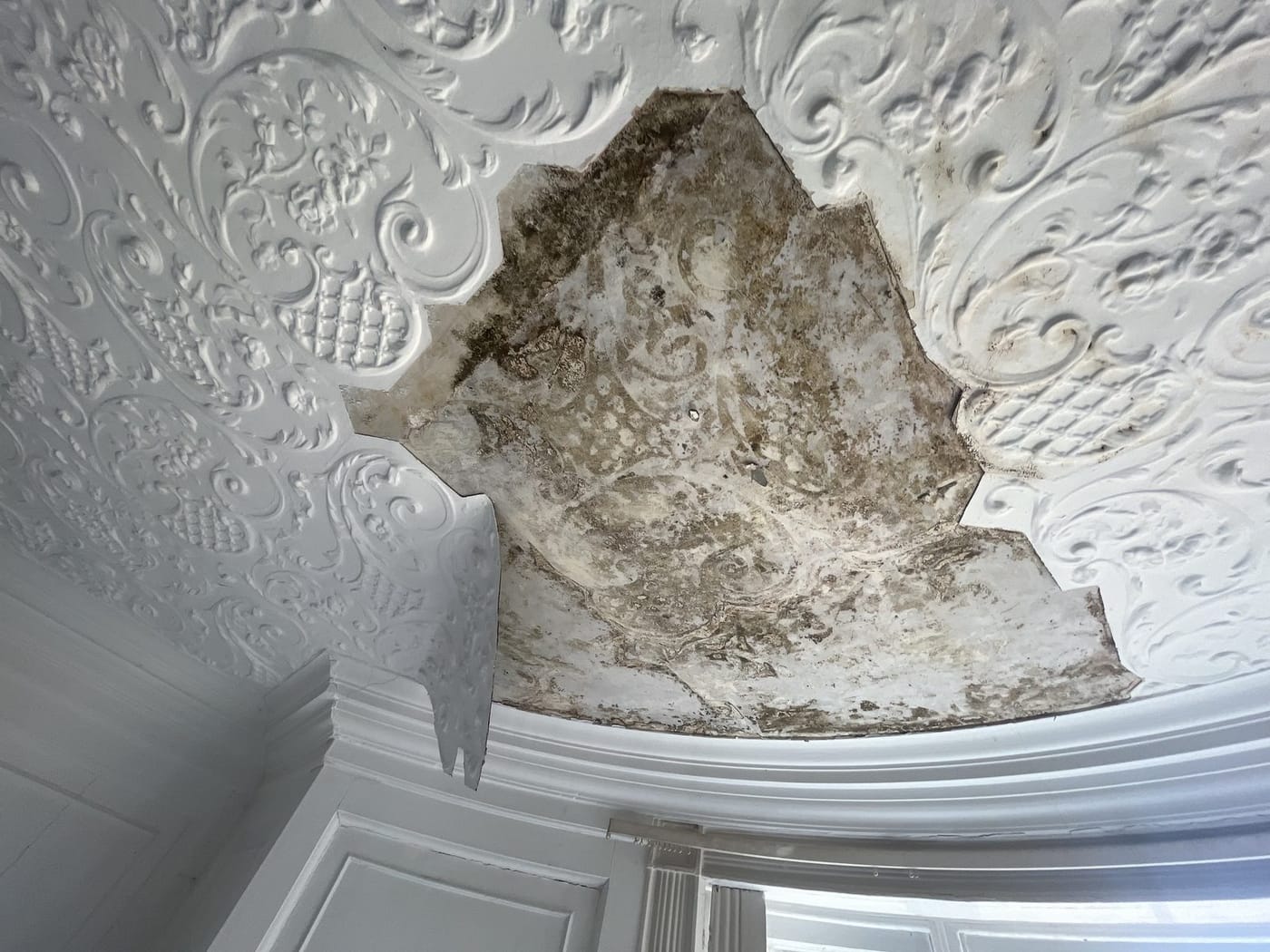
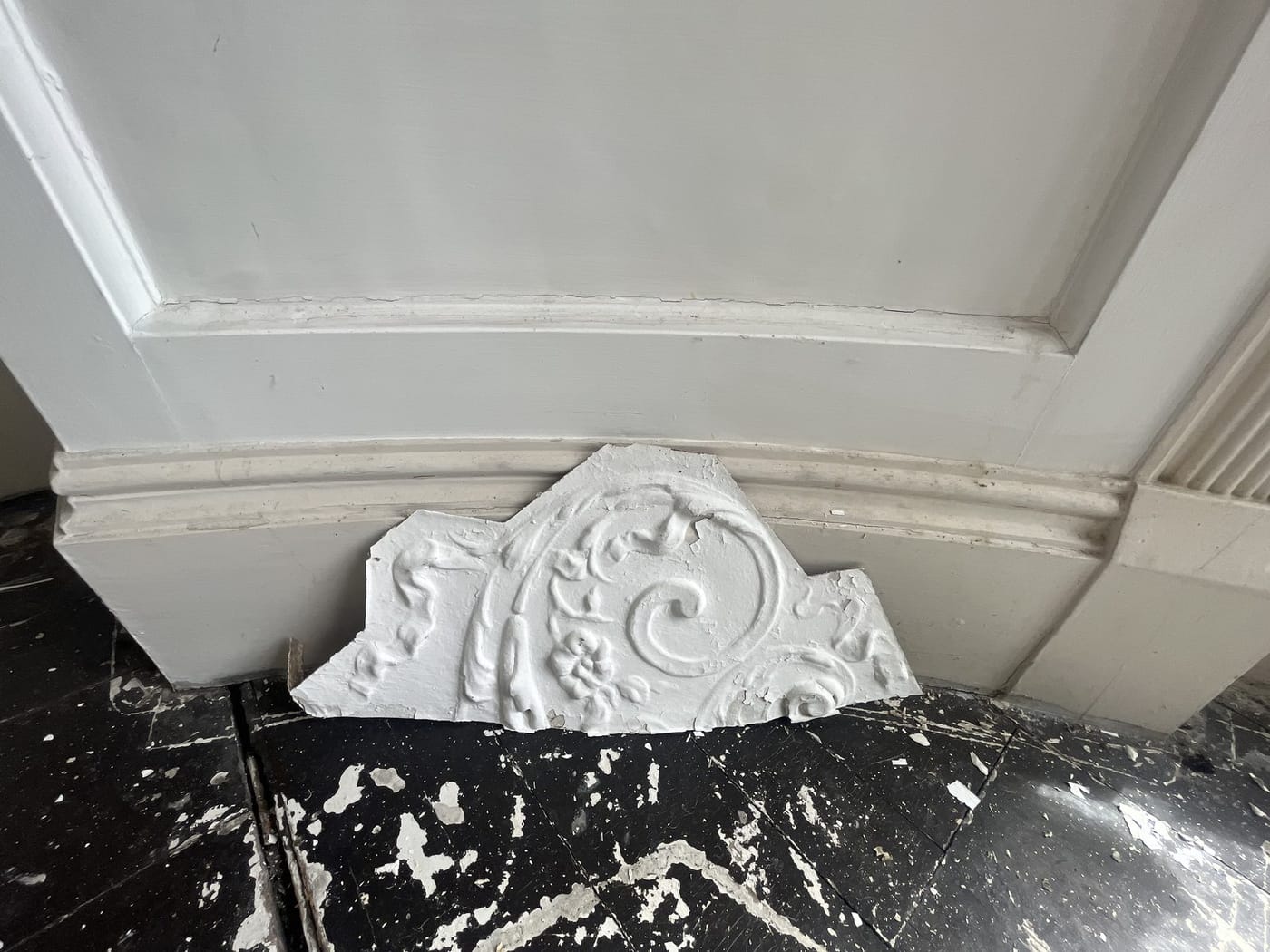
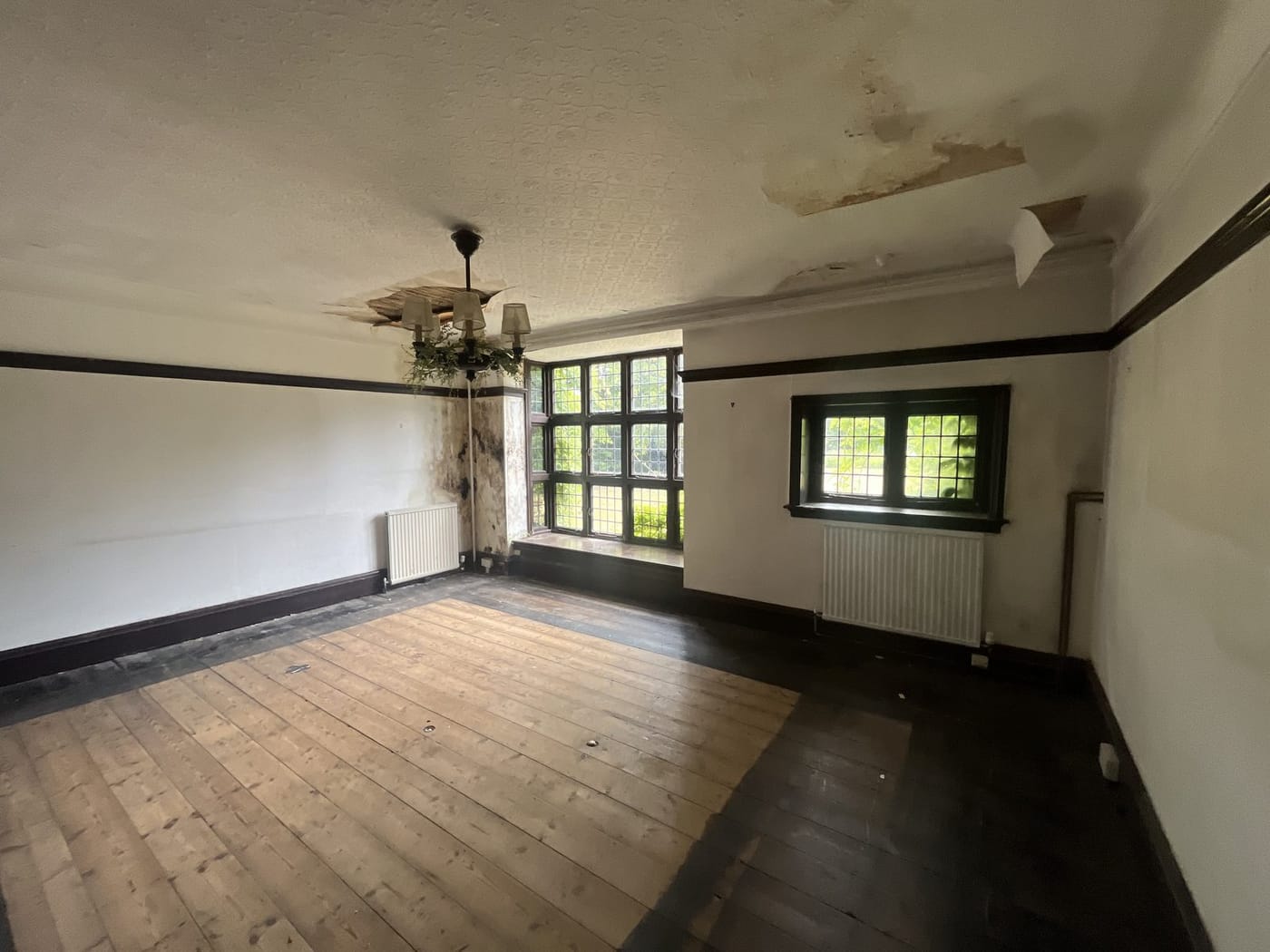
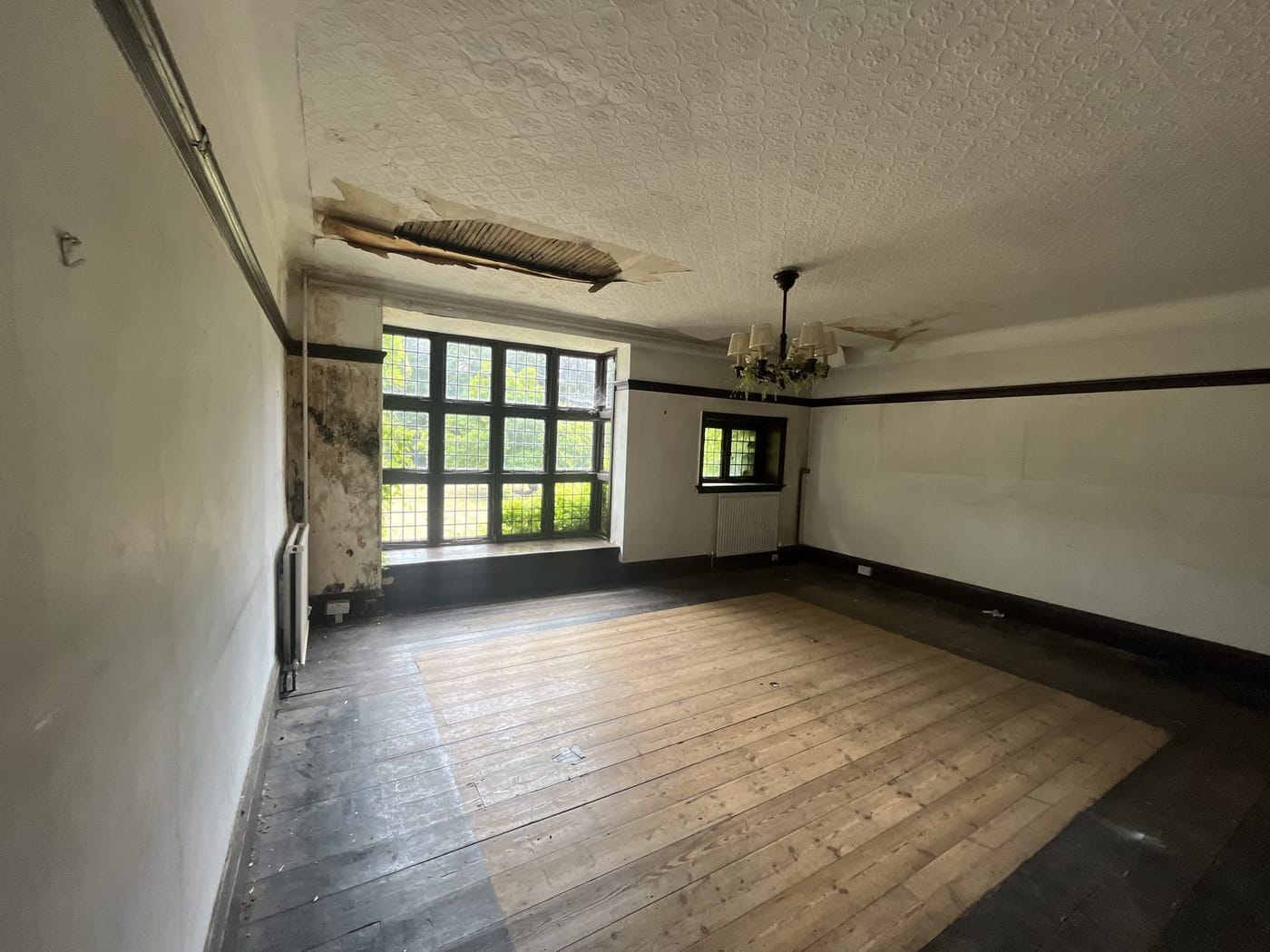
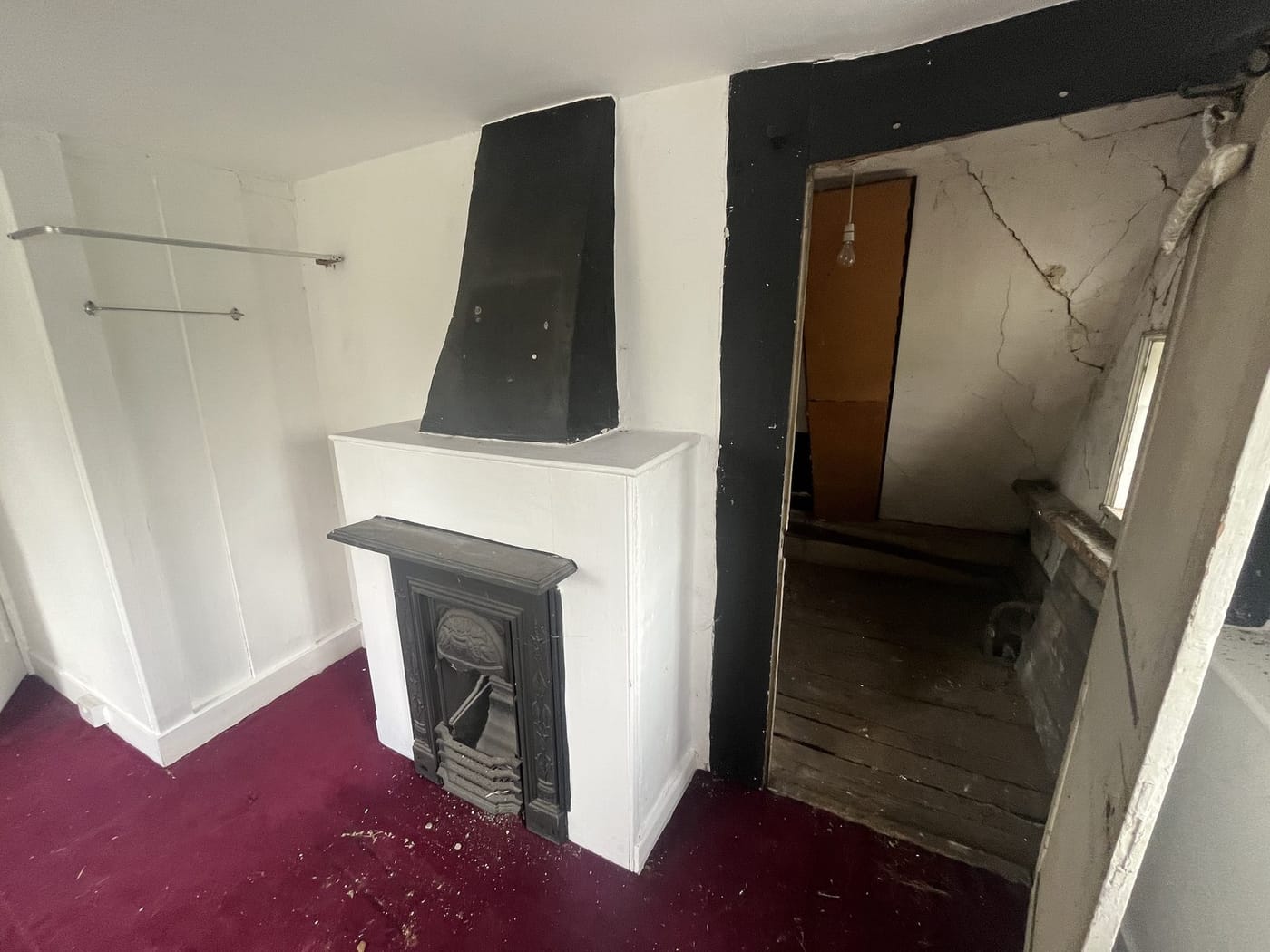
Within weeks of completion, I submitted an application for emergency roof repairs. Your department refused it. … Since the refusal, ceilings within the property have come down — physical proof that delay has a cost, and that the cost is being paid by the building itself.
Read the letter in fullShow less
I write, directly and on the record, to raise my serious and continuing concern for the future of Bird Place, a nationally designated heritage asset, whose condition continues to deteriorate while the planning process remains unresolved. This is not a letter concerning minor procedural inconvenience. It sets out, factually and with supporting chronology, why a prominent listed building continues to be at risk despite the considerable efforts my team and I have made to find an acceptable way forward, and I intend it to be treated with the gravity such circumstances demand.
A property I love, and a vision worth supporting
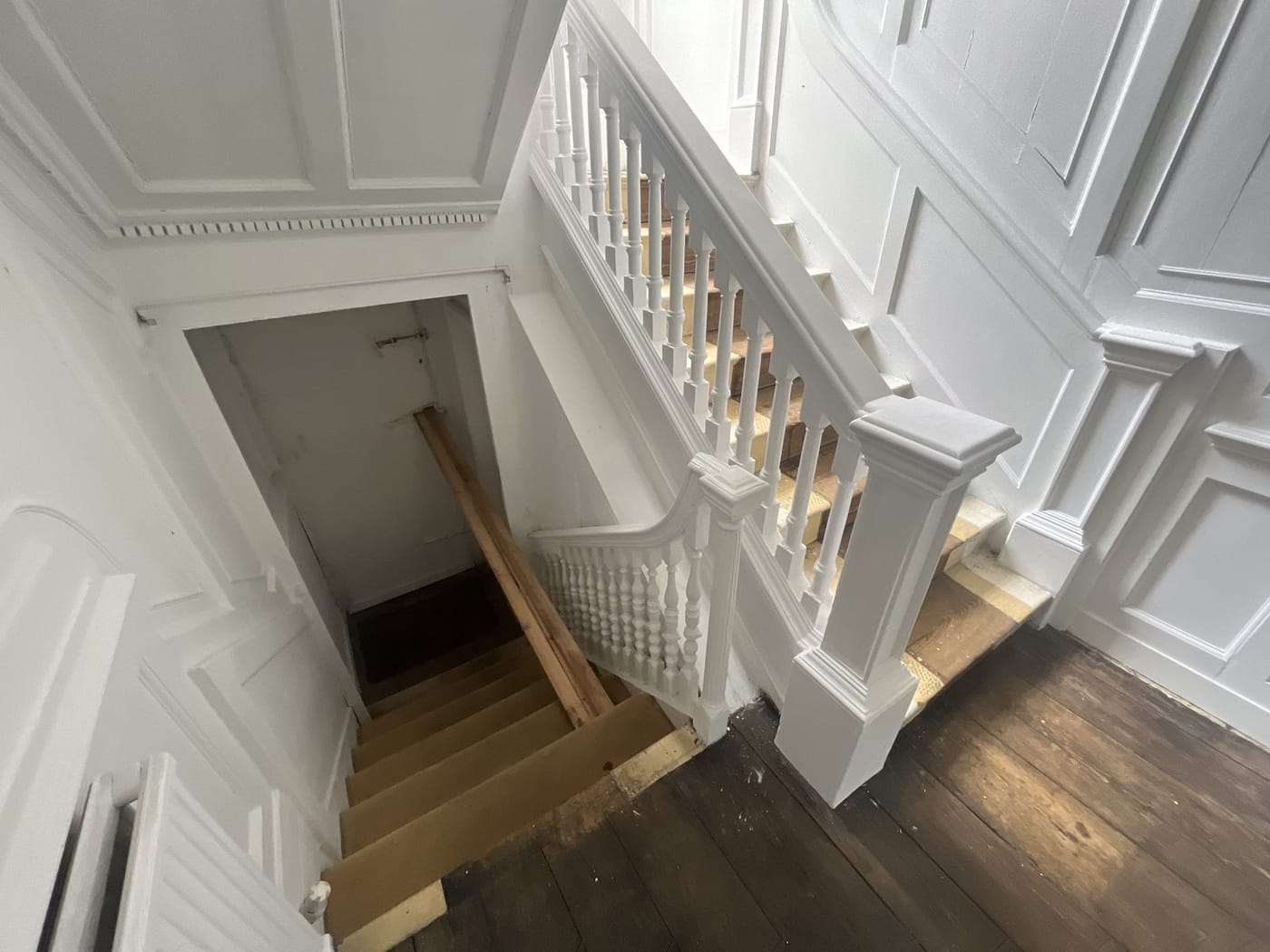
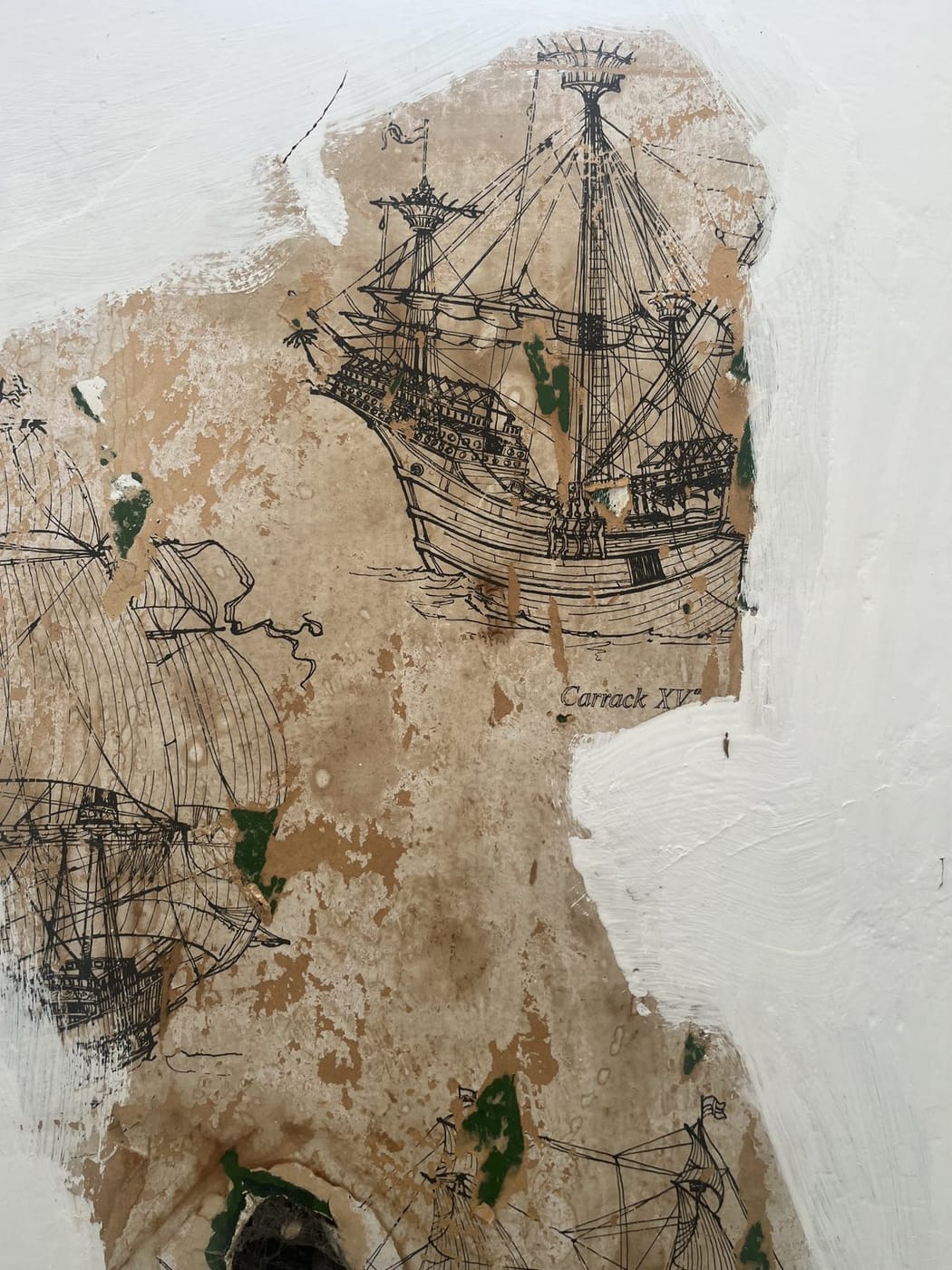
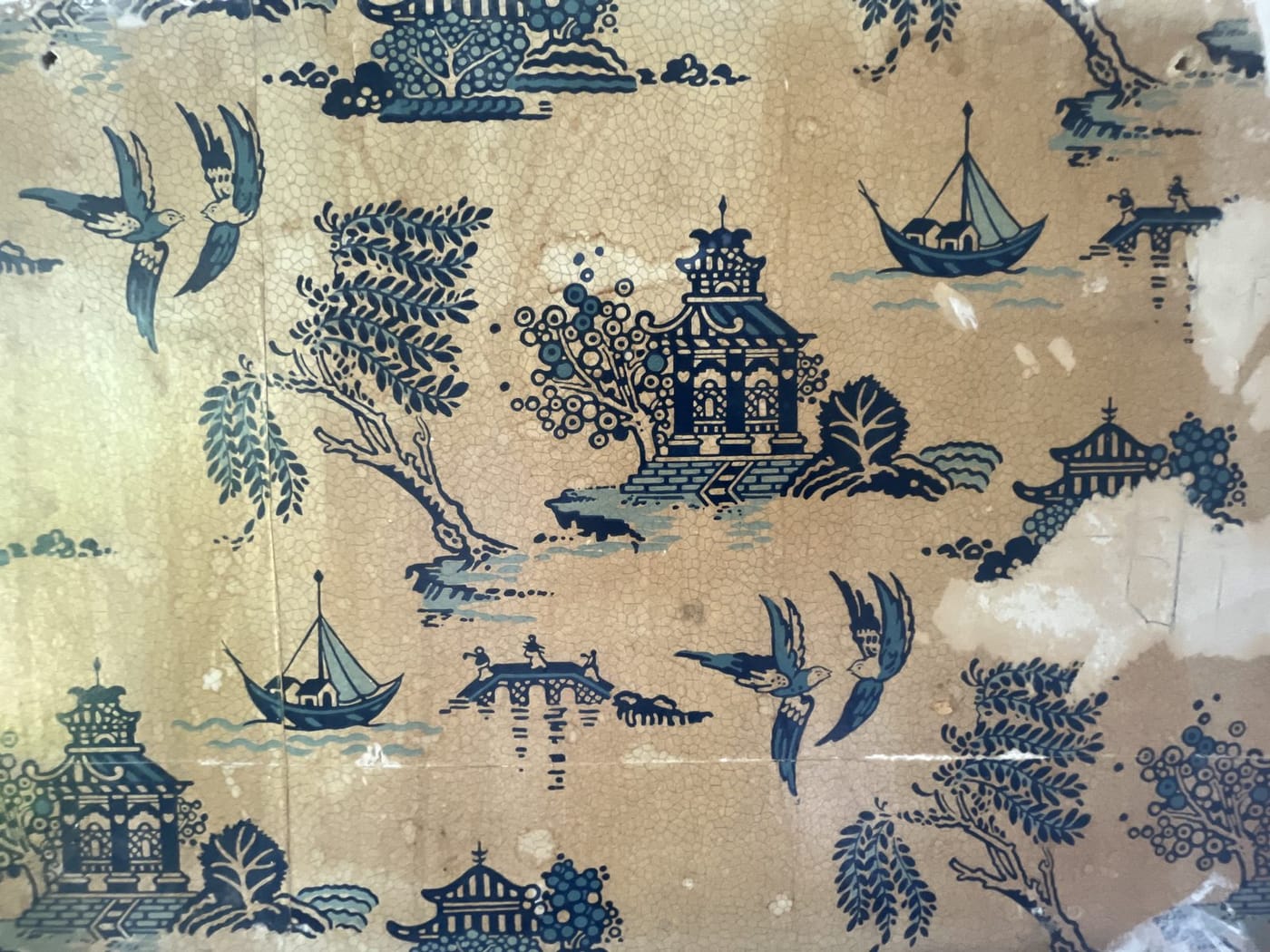
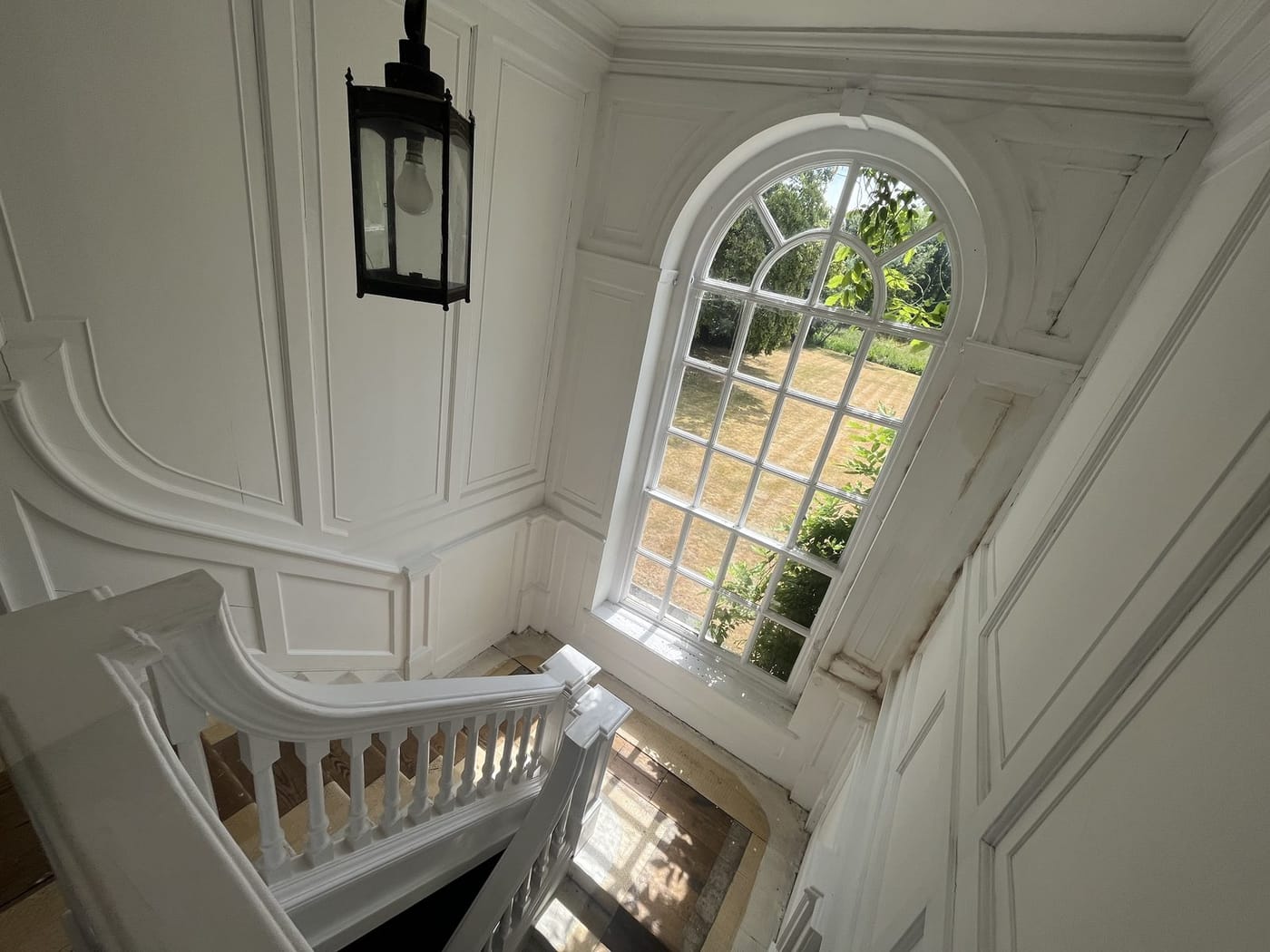
I purchased Bird Place in February 2025, drawn to it by a sense of genuine captivation. Bird Place possesses a rich and layered history — a property that has grown, evolved, and been added to across many generations, each era leaving its own architectural imprint upon the fabric of the building. The vision I have since developed, in partnership with an award-winning architect and a full team of specialists, continues that same tradition: extensions sympathetic to and inspired by the manner in which the property has always developed organically, paired with the structural and environmental upgrades required to secure Bird Place for the next century of use.
This is not the work of a speculative developer stripping a heritage asset for profit. It is the work of an owner who values the property, who has committed professional resource to its restoration, and who wishes to see it properly cared for. Your department ought to be a partner to owners of this kind, not an obstacle.
A failing roof, a refused emergency application, and sixteen months of accumulating harm
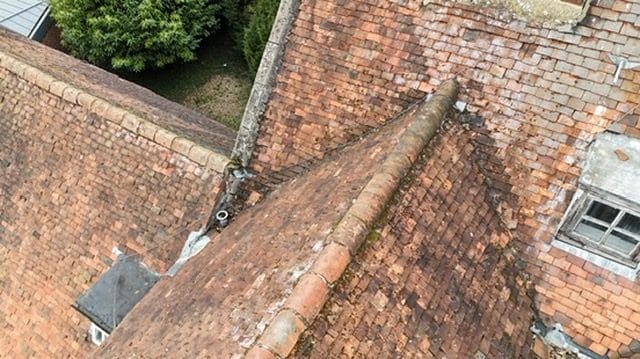
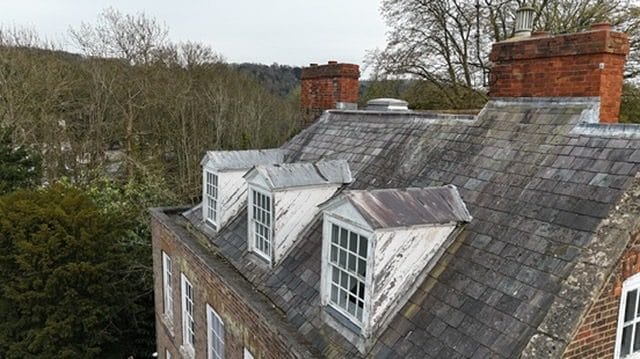
At the time of acquisition, Bird Place had already stood unoccupied for several years. The building was in a fragile condition, and among the most pressing of its structural difficulties was a failing roof, through which water ingress was active and worsening — identified from the outset as the direct threat to the building's fabric.
Within weeks of completion, I submitted an application for emergency roof repairs. Your department refused it.
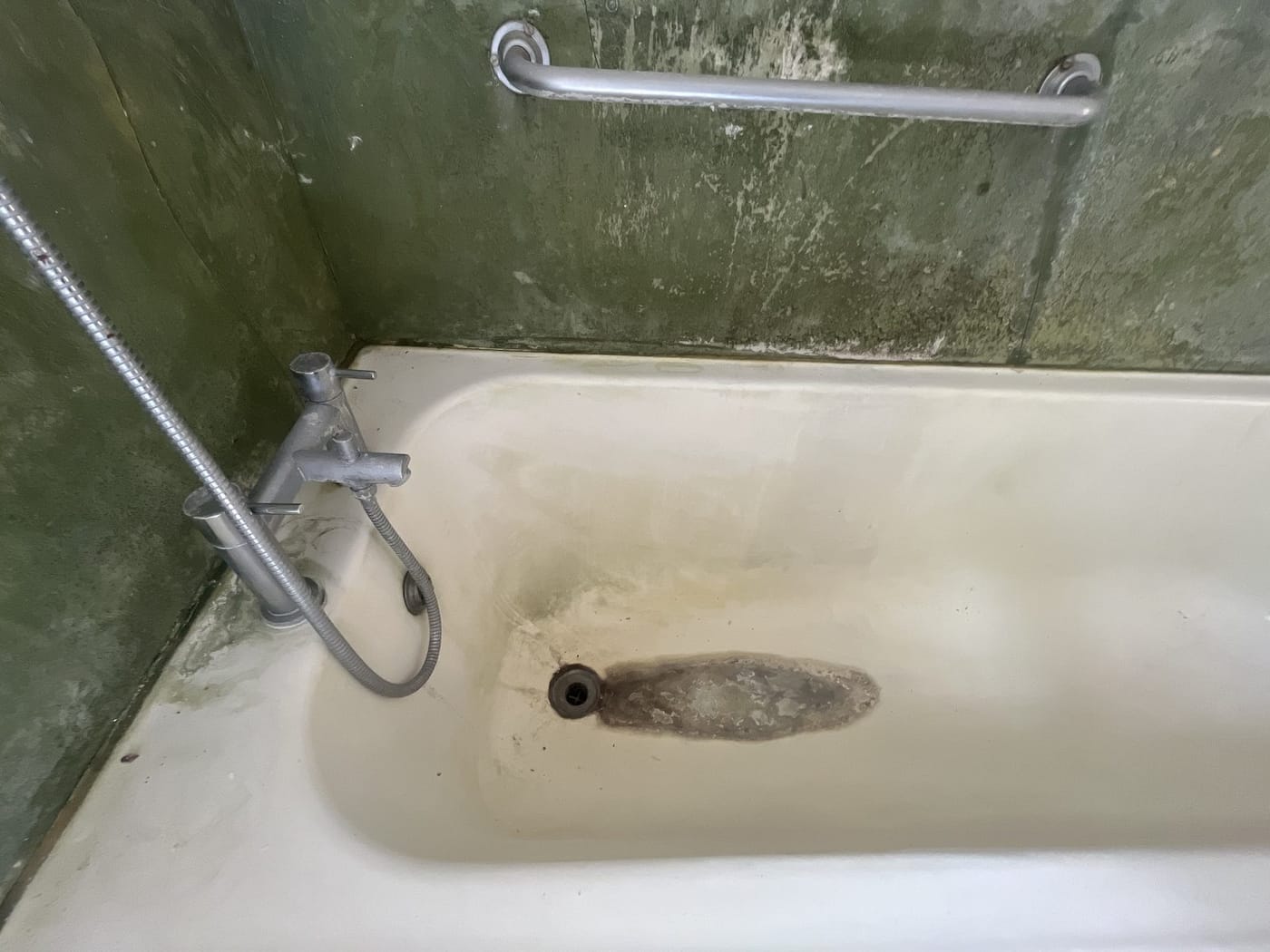
The consequences of that refusal are not abstract, and I expect them to be reckoned with. Since that decision, ceilings have physically collapsed within Bird Place. Further water-related damage — to plasterwork, to timberwork, to fabric that had survived more than a century — has occurred, and continues to occur. A property already vulnerable has been rendered materially worse.
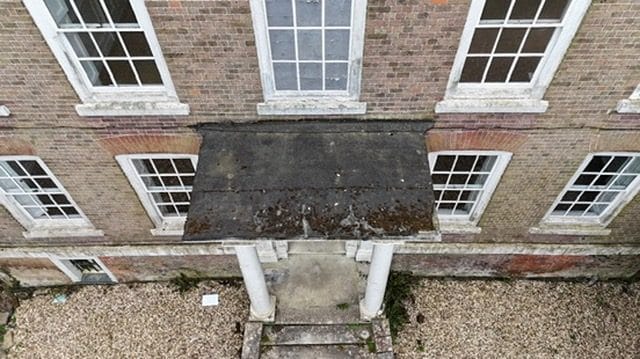
During this prolonged period the building has also become increasingly vulnerable to trespass and vandalism. Several original historic window panes have been deliberately broken, the property has been unlawfully entered, and the house has now been boarded internally to protect it from further damage. Whilst those criminal acts are the responsibility of those who committed them, they are symptomatic of what happens when an important heritage asset is left exposed for an extended period without the opportunity to progress towards restoration.
Repeated applications, and limited constructive engagement
Since acquiring Bird Place, my team and I have engaged extensively with your department. For clarity, the chronology of applications is as follows:
- An emergency application for temporary roof repairs, which was refused.
- A pre-application enquiry covering the house, boathouse and garages, which resulted in broadly supportive officer feedback.
- A full application for the refurbishment and extension of the listed house, which was submitted and subsequently refused.
- A separate boathouse application, submitted and currently under consideration.
- A garage application, currently being prepared.
- Further pre-application discussions for a revised house proposal, now being considered.
It would not be accurate to say that all applications have been refused, and I do not suggest that here. What the chronology above does show is a sustained and good-faith effort, over sixteen months, to bring forward an acceptable scheme for Bird Place. We have incurred substantial professional costs — architectural, planning consultancy, heritage assessment, ecology, arboriculture, flood risk, and contamination surveys, together with approvals already secured from the Environment Agency — undertaken in good faith, in pursuit of requirements that appear to shift at the very moment they are met.
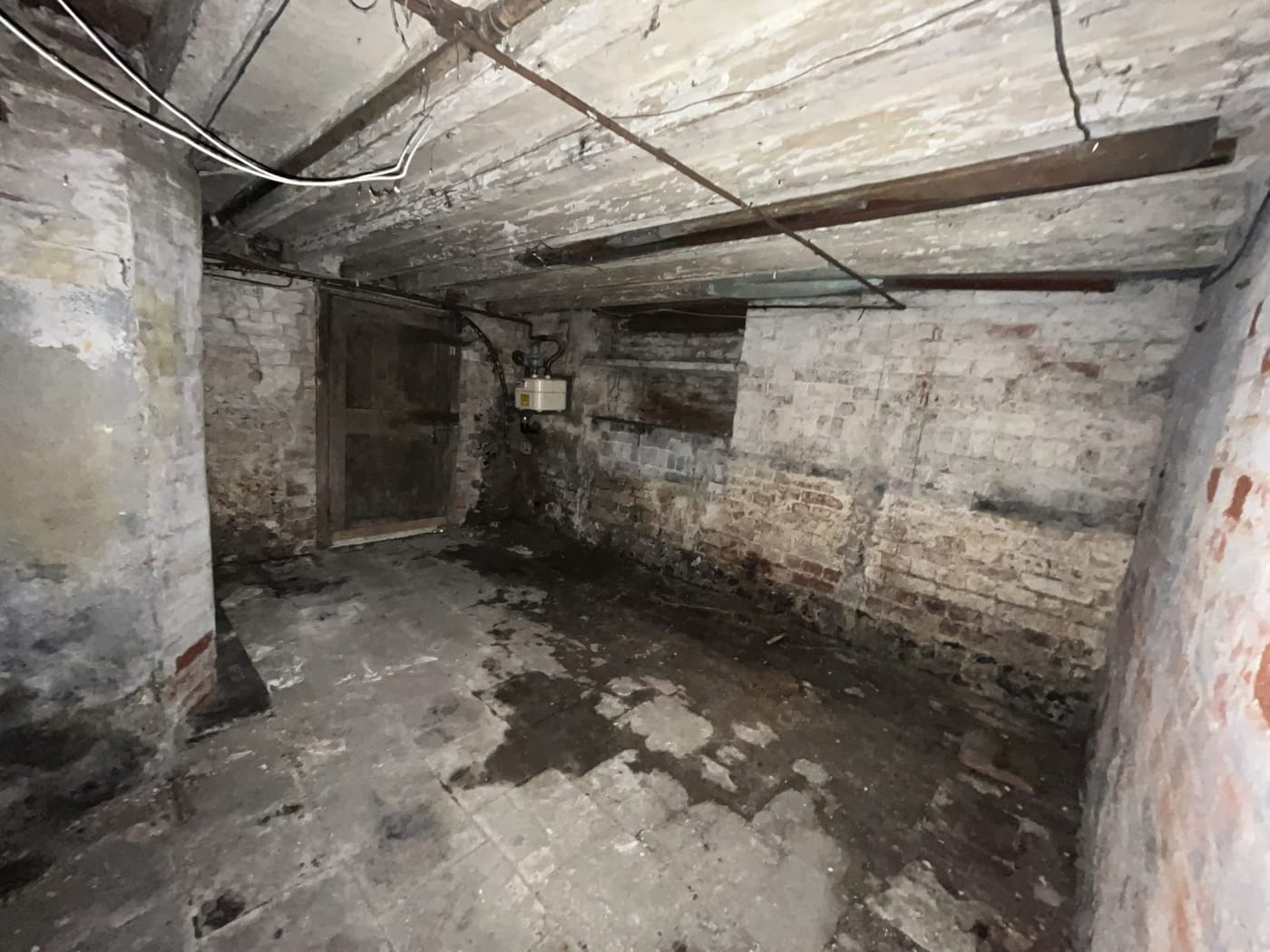
The evidential basis underpinning some of these refusals has, in several instances, been unclear. One example is illustrative: an observation, made during the process, that “there may be an ancient monument in the basement,” without an accompanying archaeological assessment or supporting rationale. If your department holds evidence of an ancient monument at Bird Place, I would welcome sight of it. If none exists, I require that the assertion be formally withdrawn, in writing, without further delay.
What I require
I am not seeking the grant of planning permission by default. I am seeking something more fundamental: competent, engaged, and good-faith administration from the department charged with stewardship of this borough's built heritage, working with me toward the shared objective of securing Bird Place's long-term conservation. Specifically, I require the following within 14 days of the date of this letter:
- A meeting with you personally, or with your duly authorised senior representative, to discuss a constructive way forward for Bird Place.
- A written account of the evidential basis for each refusal, including the “ancient monument” assertion.
- A confirmed pre-application engagement process — with named officers and committed timescales — so that any future application is developed collaboratively rather than submitted into a void.
- Confirmation that emergency and preventative works sufficient to halt the ongoing water damage will be permitted, without further delay.
I would strongly prefer to resolve this matter through direct, constructive engagement, and remain willing to meet at short notice to do so. However, should I not receive a substantive and credible response within 14 days, I will have no alternative but to: place a full-page advertisement in the Henley Standard setting out these facts, with a photographic record of the damage; publish this letter in full across social media; formally request a Council Overview and Scrutiny review of the handling of the refused applications; submit a formal complaint to the Local Government and Social Care Ombudsman regarding the refusal of emergency repairs and the consequent property damage; and seek legal advice regarding any potential Council liability arising since that refusal.
I do not raise these measures lightly, and would far rather resolve this matter directly, through proper engagement. Yet Bird Place cannot continue to absorb the cost of further inaction, and I am not prepared to permit it. My purpose in writing, and in supporting the wider Save Bird Place campaign, is to secure the long-term conservation of an important heritage asset — not to criticise individuals within your department — and I hope this letter is received in that spirit.
I expect to hear from you.